

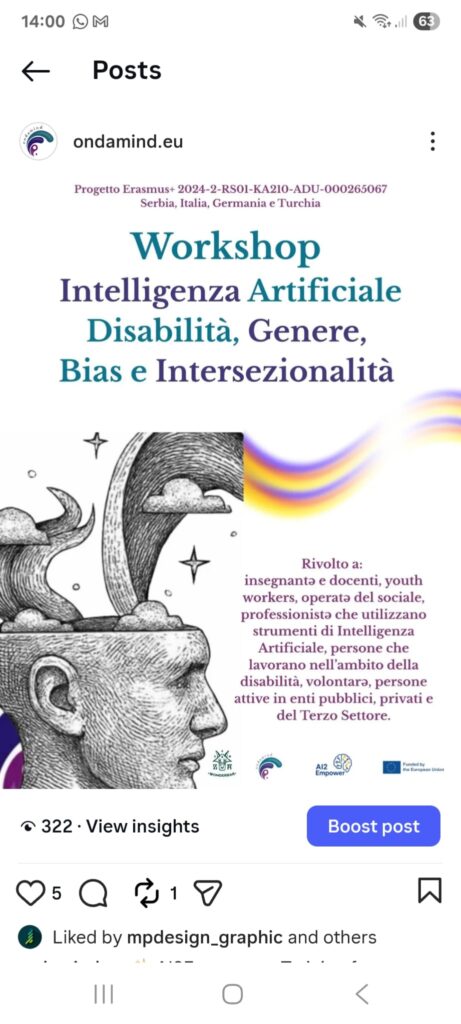
As part of the Erasmus+ project “Enhancing Abilities with AI: Professional Training for Inclusive Disability Support – AI2Empower,” a local professional training programme entitled “Promoting Inclusive Practices with Artificial Intelligence” was successfully implemented in Italy.
The training was organised by the project partner Ondamind APS and delivered over four training days: 15 April, 13 May, 20 May, and 27 May 2026. The programme was facilitated by Erika Morano and Miriam Toso, certified trainers who had previously participated in the AI2Empower Training of Trainers held in Türkiye.
The programme was designed for professionals working in disability support services, educators, students, and parents. Its main aim was to strengthen participants’ knowledge and practical competencies for the ethical, safe, accessible, and inclusive use of Artificial Intelligence in education, therapy, rehabilitation, and professional support for persons with disabilities.
The training covered four main thematic areas from the AI2Empower training manual:
- Artificial Intelligence in inclusive education, therapy, and employment of persons with disabilities;
- the relationship between Artificial Intelligence and mindfulness;
- culturally responsive AI-assisted education;
- the development of practical AI training pathways for professionals working in the disability field.
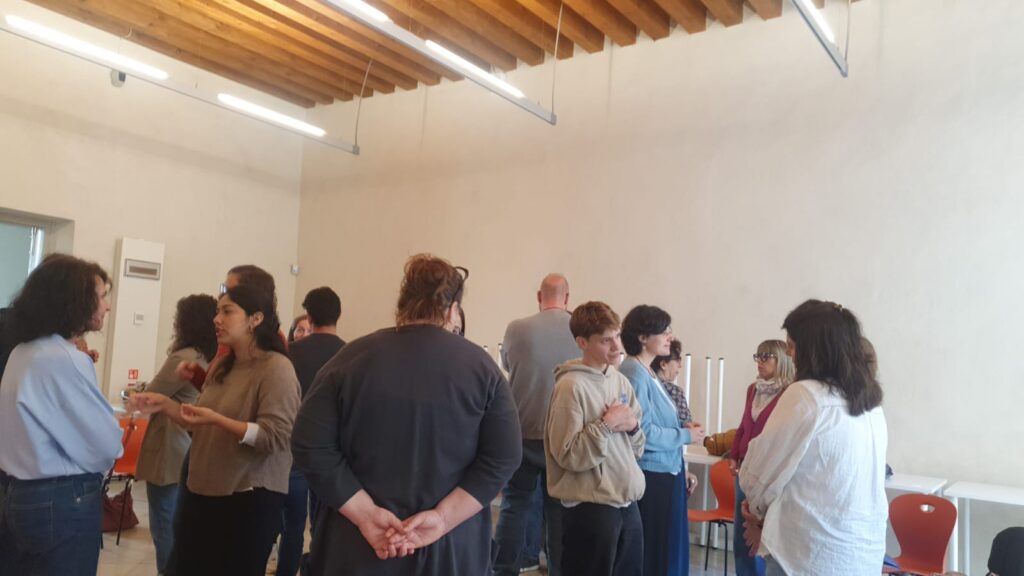
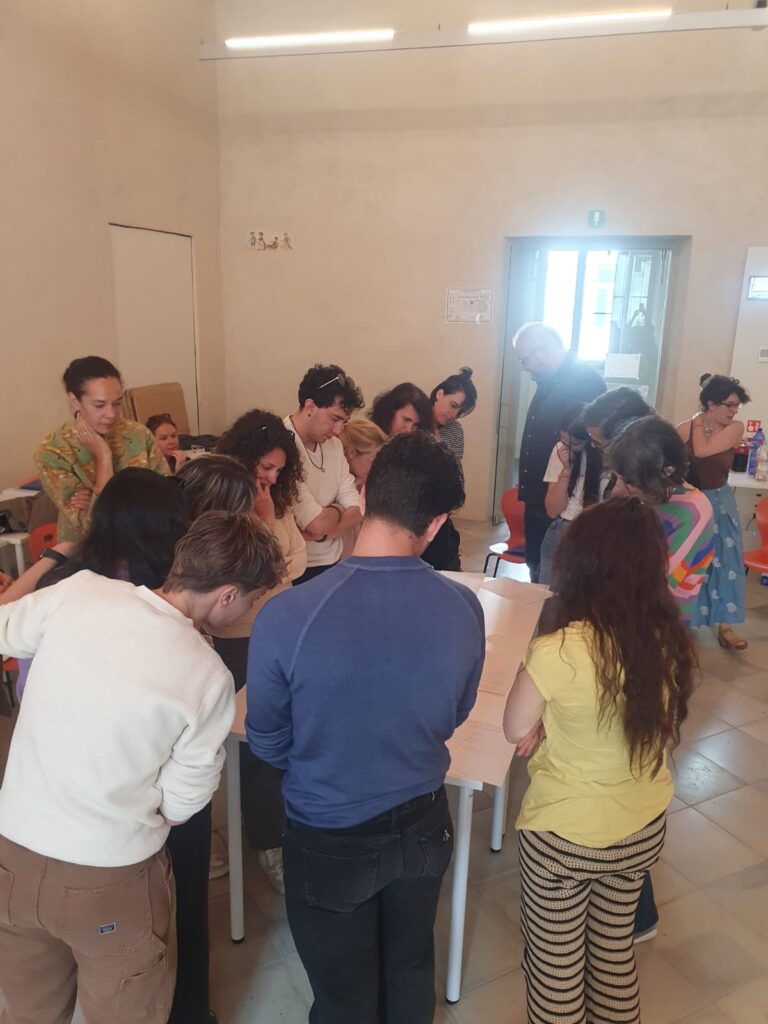
In addition to theoretical presentations, participants took part in experiential and non-formal learning activities, group work, guided discussions, peer exchange, mindfulness practices, and the development of their own AI-related project ideas. The programme also included online support sessions through Google Meet.
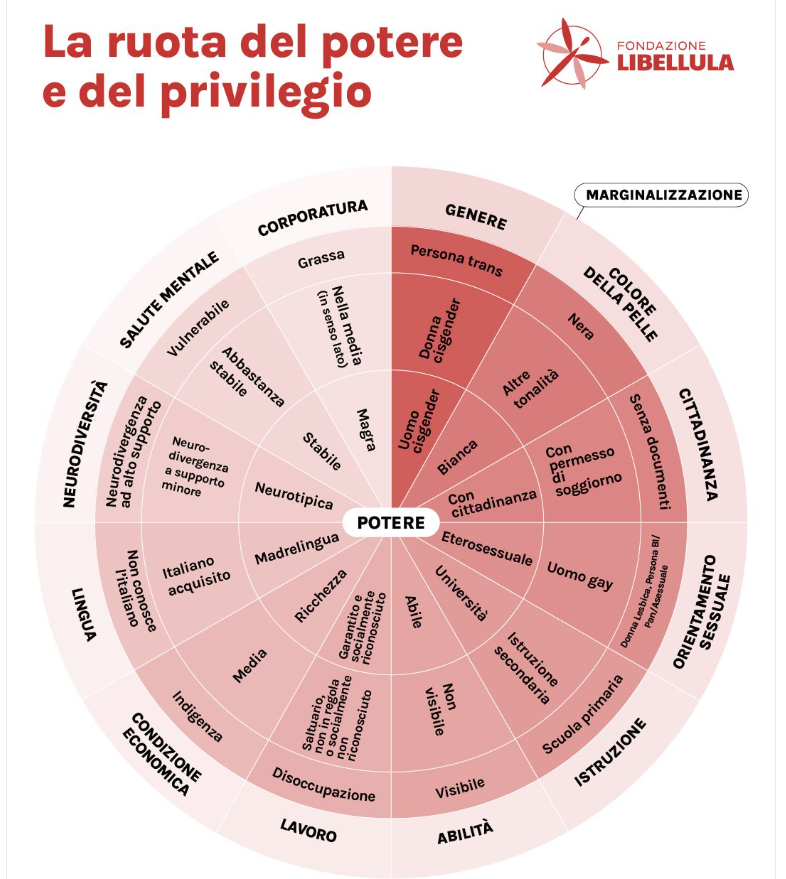
One of the particularly engaging activities was the “Wheel of Power and Privilege.” Through this exercise, participants reflected on how gender, disability, ethnic background, economic circumstances, education, citizenship, language, mental health, and other personal and social characteristics may influence access to opportunities, resources, and decision-making.
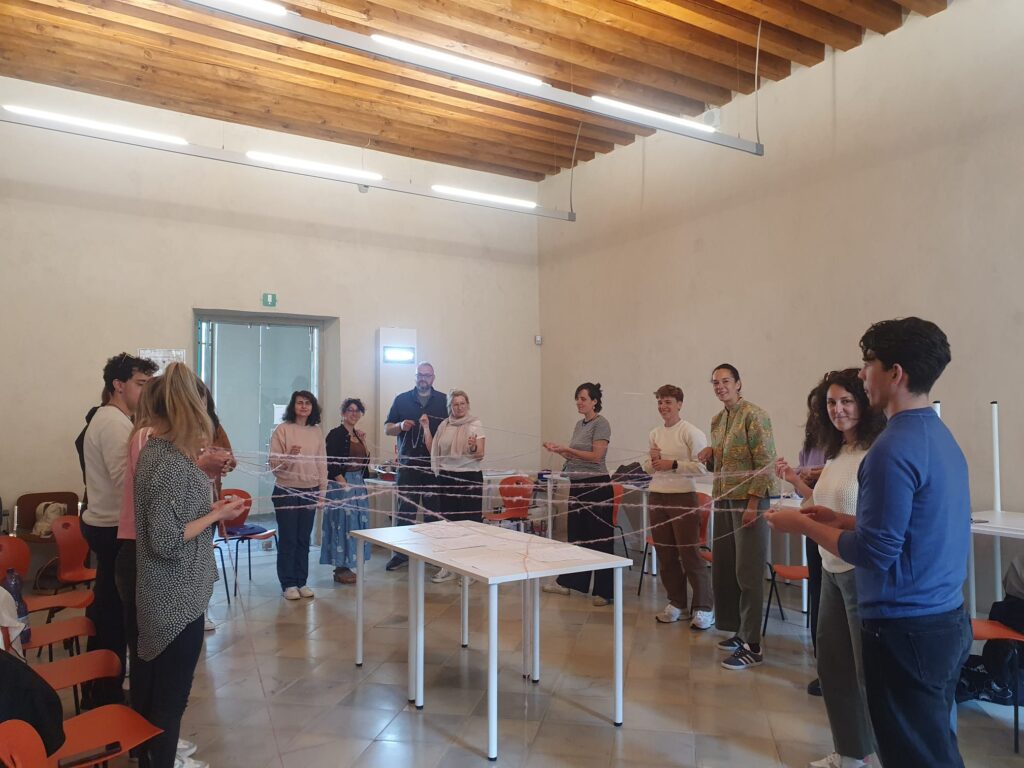
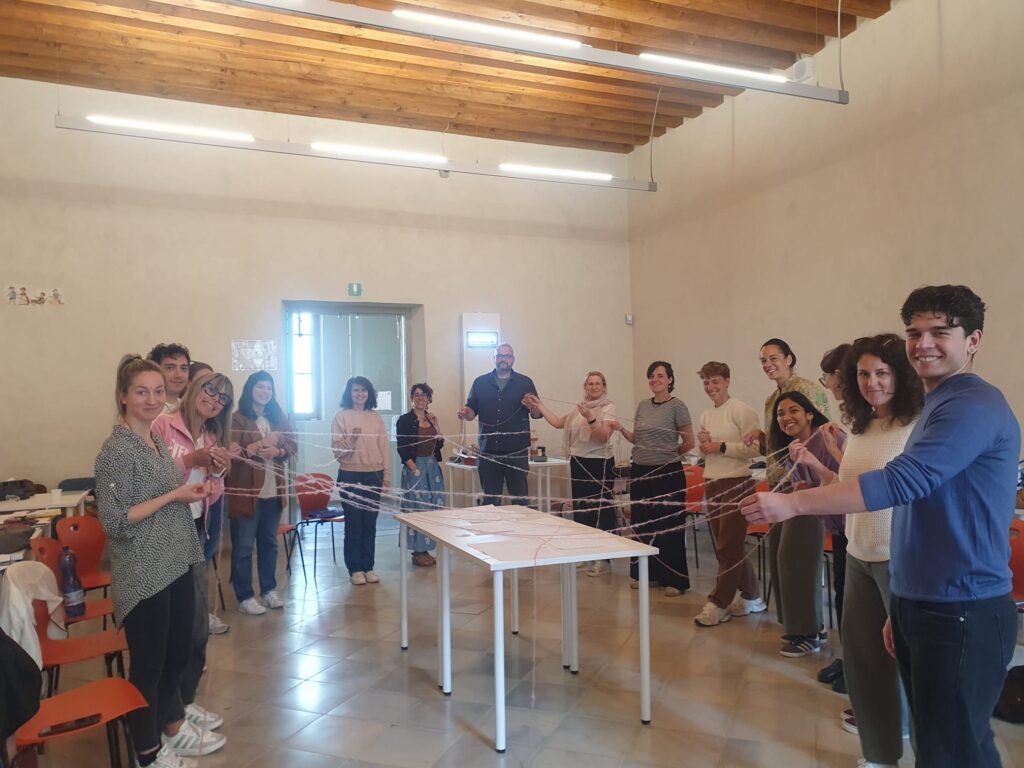
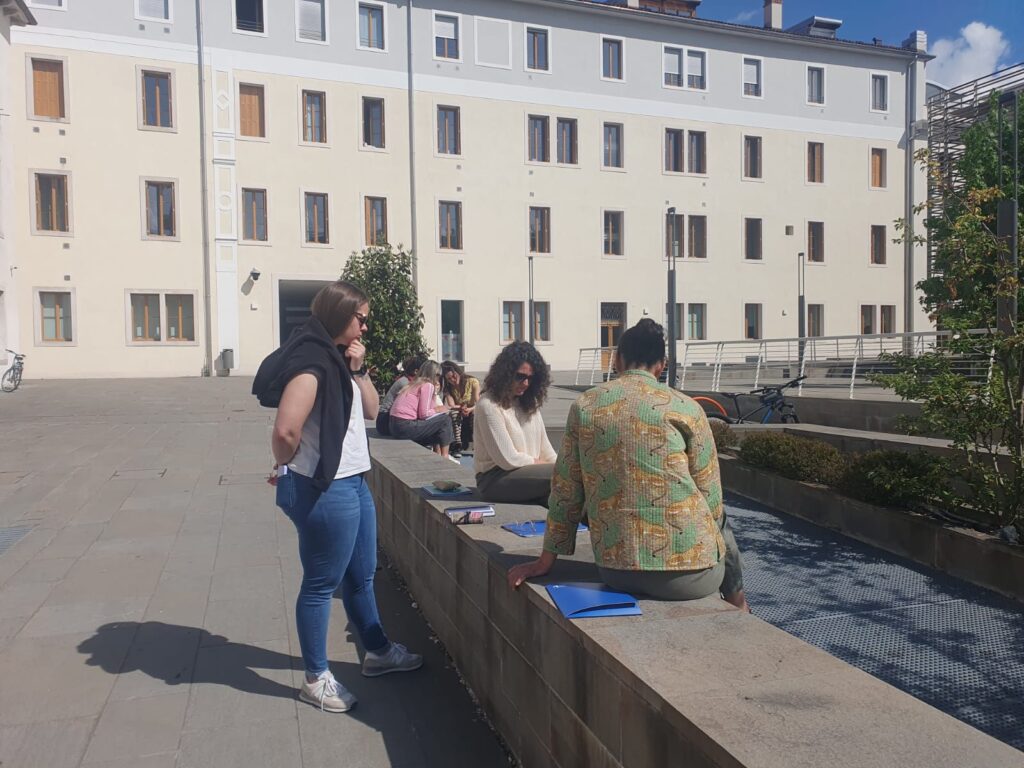
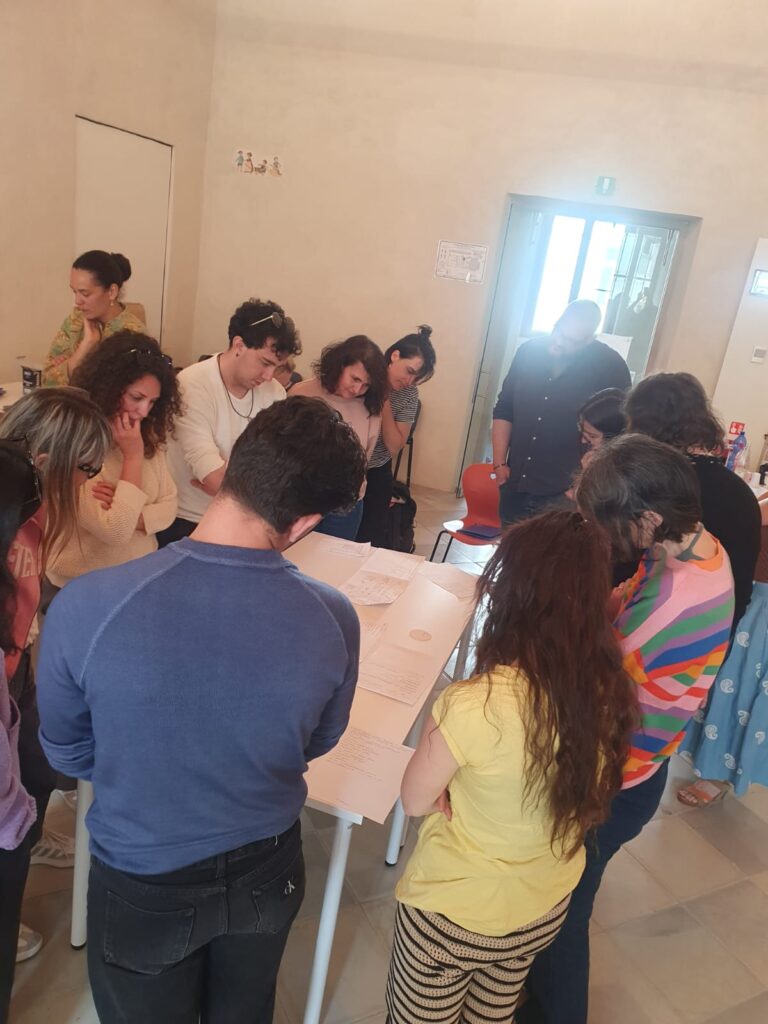
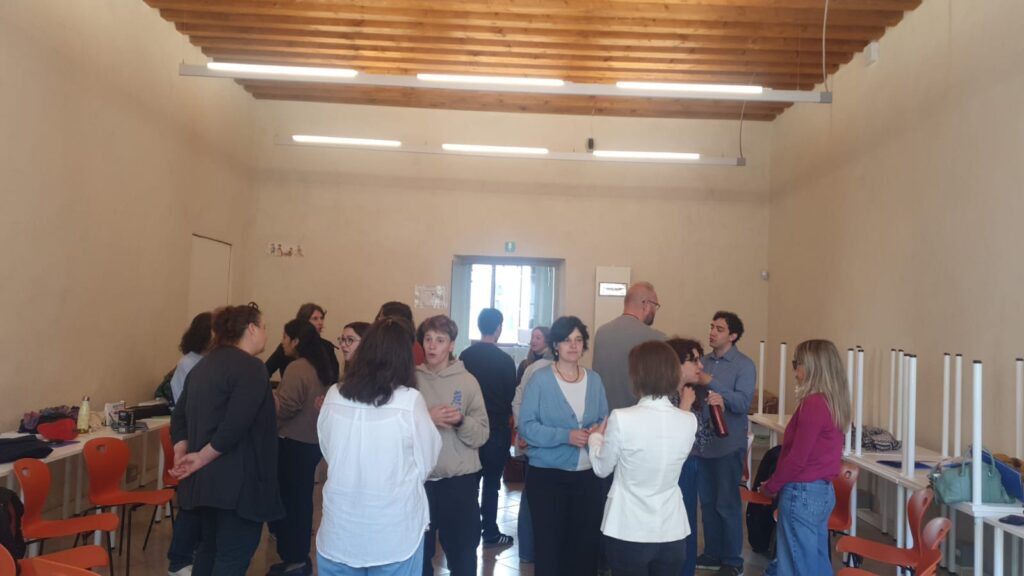
The activity was directly connected to discussions on intersectionality, social inequality, and the risk of transferring existing human biases into Artificial Intelligence systems. It encouraged participants to consider how apparently neutral technologies may reproduce disadvantage when they are developed without sufficient attention to diversity, inclusion, and accessibility.
During the final part of the training, participants developed concrete proposals for applying the acquired knowledge within their organisations and professional environments. They explored opportunities for organisational capacity building, responsible use of digital tools, institutional change, and the development of sustainable professional training programmes.
The training outcomes demonstrated that combining Artificial Intelligence, mindfulness-based approaches, and non-formal education methods can support meaningful professional learning, critical reflection, and the development of more accessible and inclusive services.
Participants’ feedback highlighted the relevance of the topics, the value of the practical and interactive activities, the supportive role of the facilitators, and the importance of continuing professional development in the responsible use of Artificial Intelligence.
The AI2Empower project, No. 2024-2-RS01-KA210-ADU-000265067, is co-funded by the Erasmus+ Programme of the European Union and implemented through a partnership of organisations from Serbia, Italy, Germany, and Türkiye.

